Power BI & executive reporting
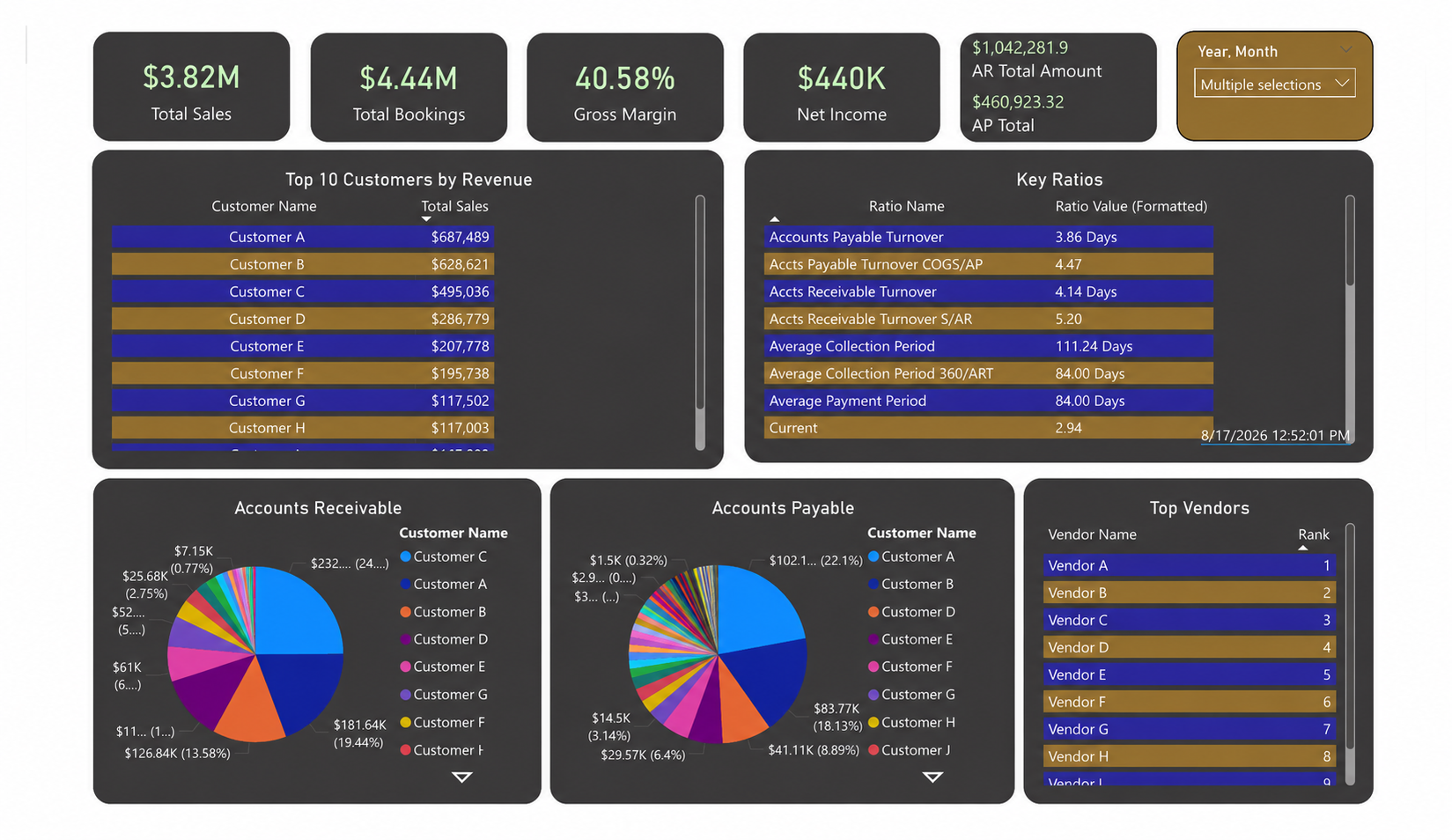
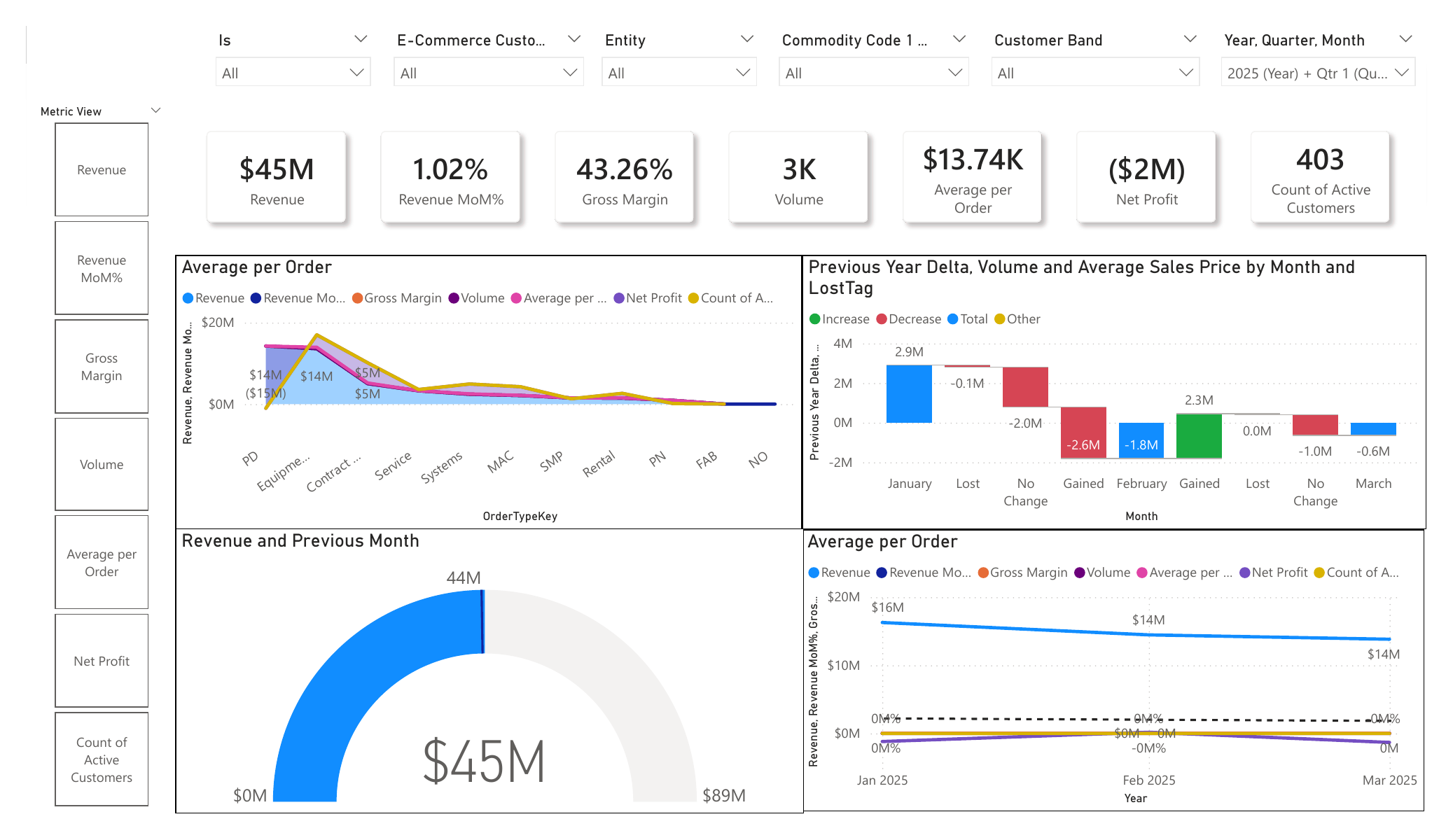
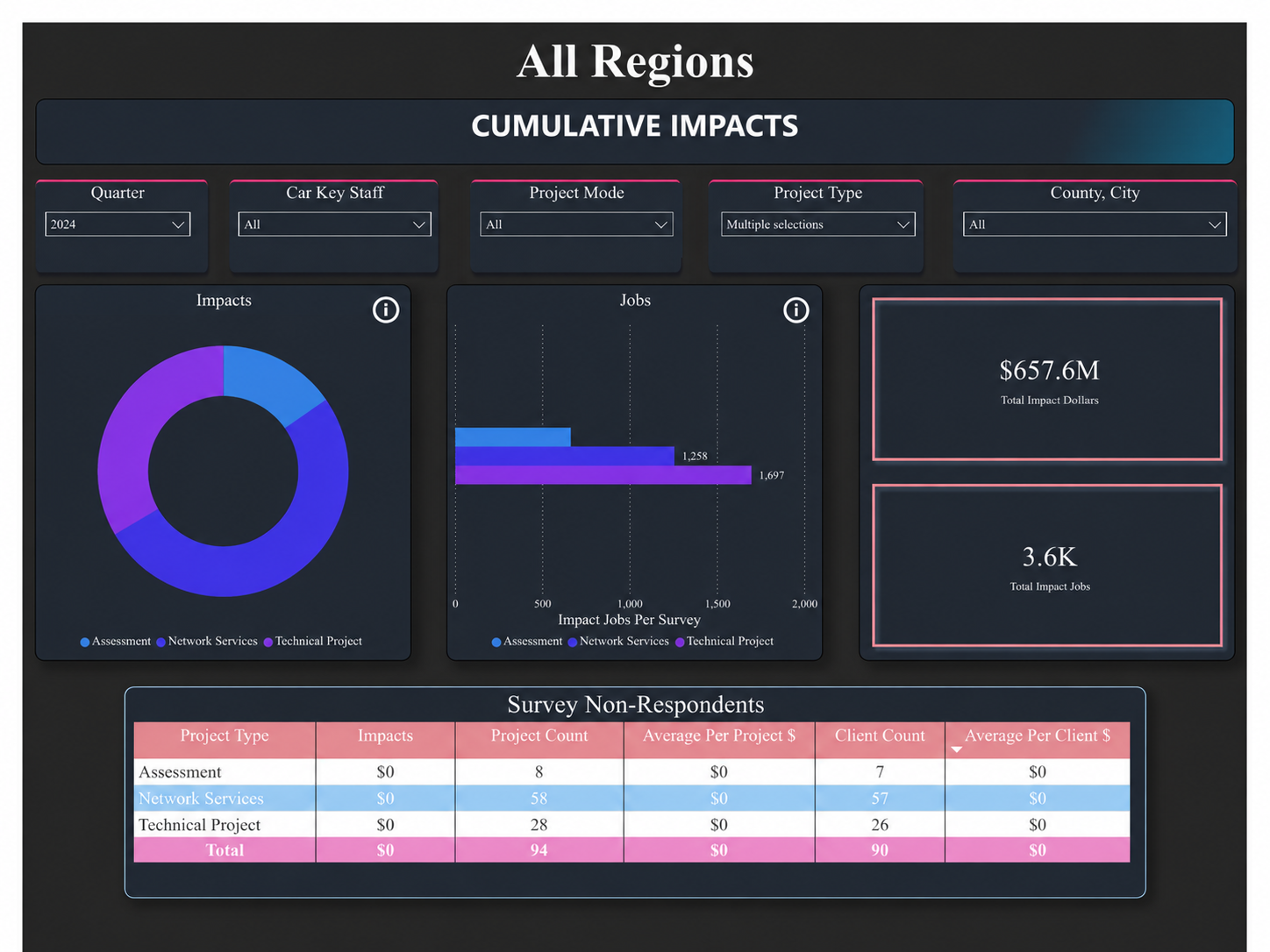
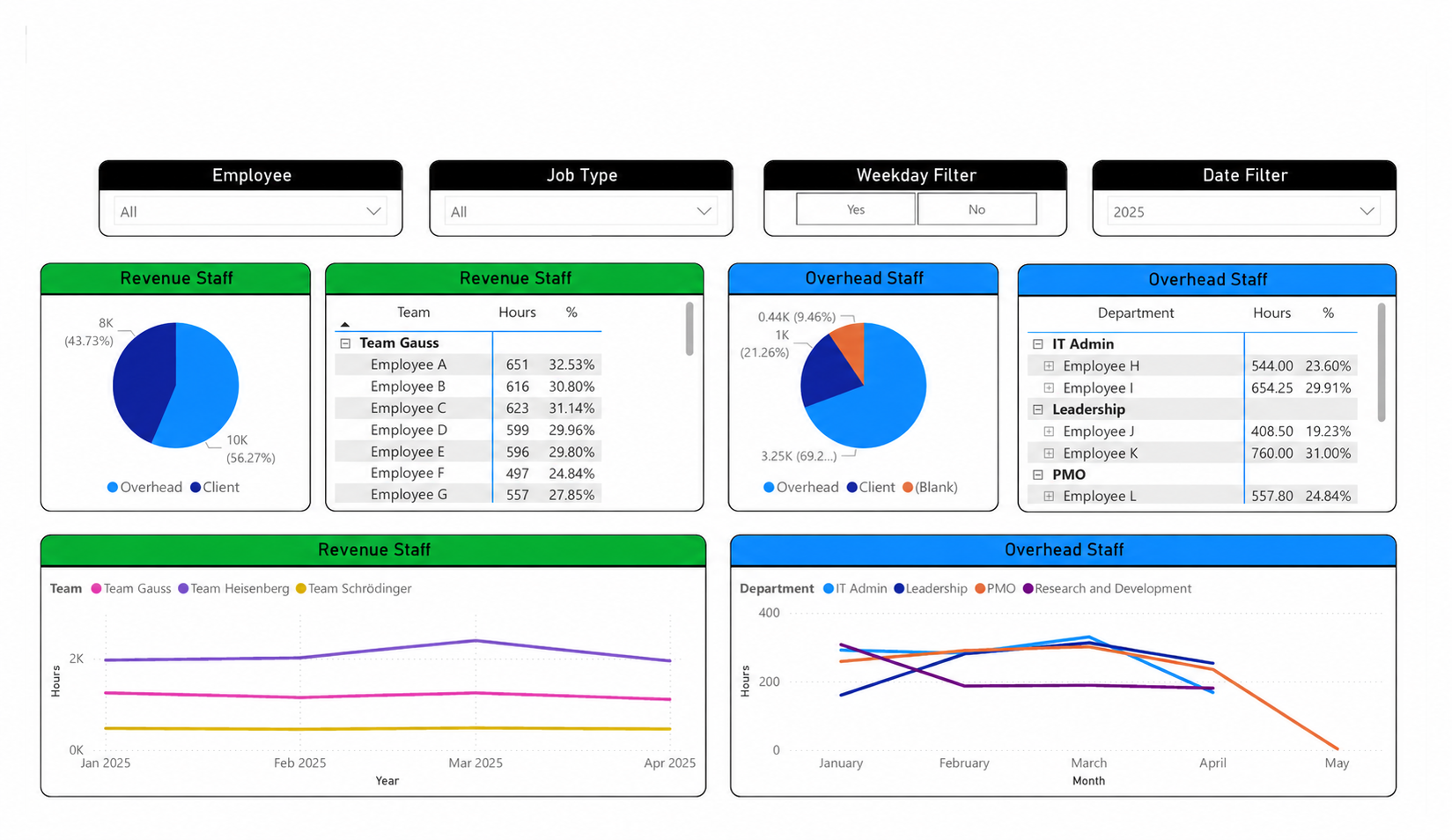
KPI frameworks, semantic models, dashboards, and reporting experiences designed around the decisions leaders actually make.


Business intelligence · Data engineering · Applied analytics
Anansi Analytics helps growing businesses replace fragmented reporting with dependable data systems, meaningful KPIs, and analysis built for action.
From scattered signals to a trusted decision system
We connect business questions to the data, models, and reporting workflows needed to answer them consistently. The result is a practical analytics foundation your team can understand, govern, and use.
How we approach the workServices
Engagements can begin with one urgent reporting problem or a broader data foundation.
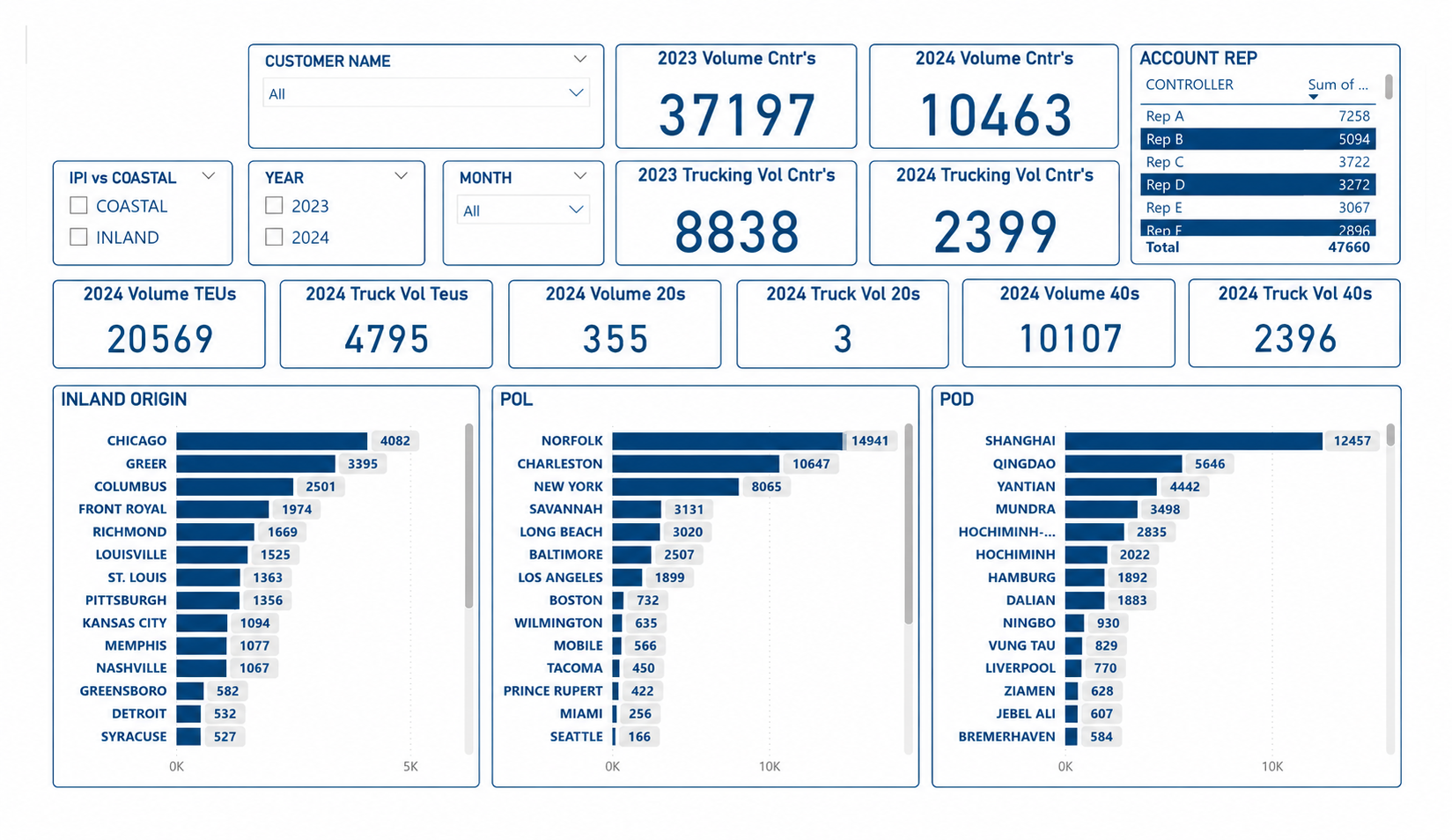
KPI frameworks, semantic models, dashboards, and reporting experiences designed around the decisions leaders actually make.
ETL, SQL, Python, dimensional models, and governed transformation workflows that turn raw sources into trusted analytical data.
Forecasts, driver analysis, experimentation, and statistical investigation for planning, performance, and operational improvement.
Predictive models and repeatable analytical workflows developed around a defined business decision—not technology for its own sake.
Operational visibility across demand, inventory, service levels, throughput, and the constraints that shape daily execution.
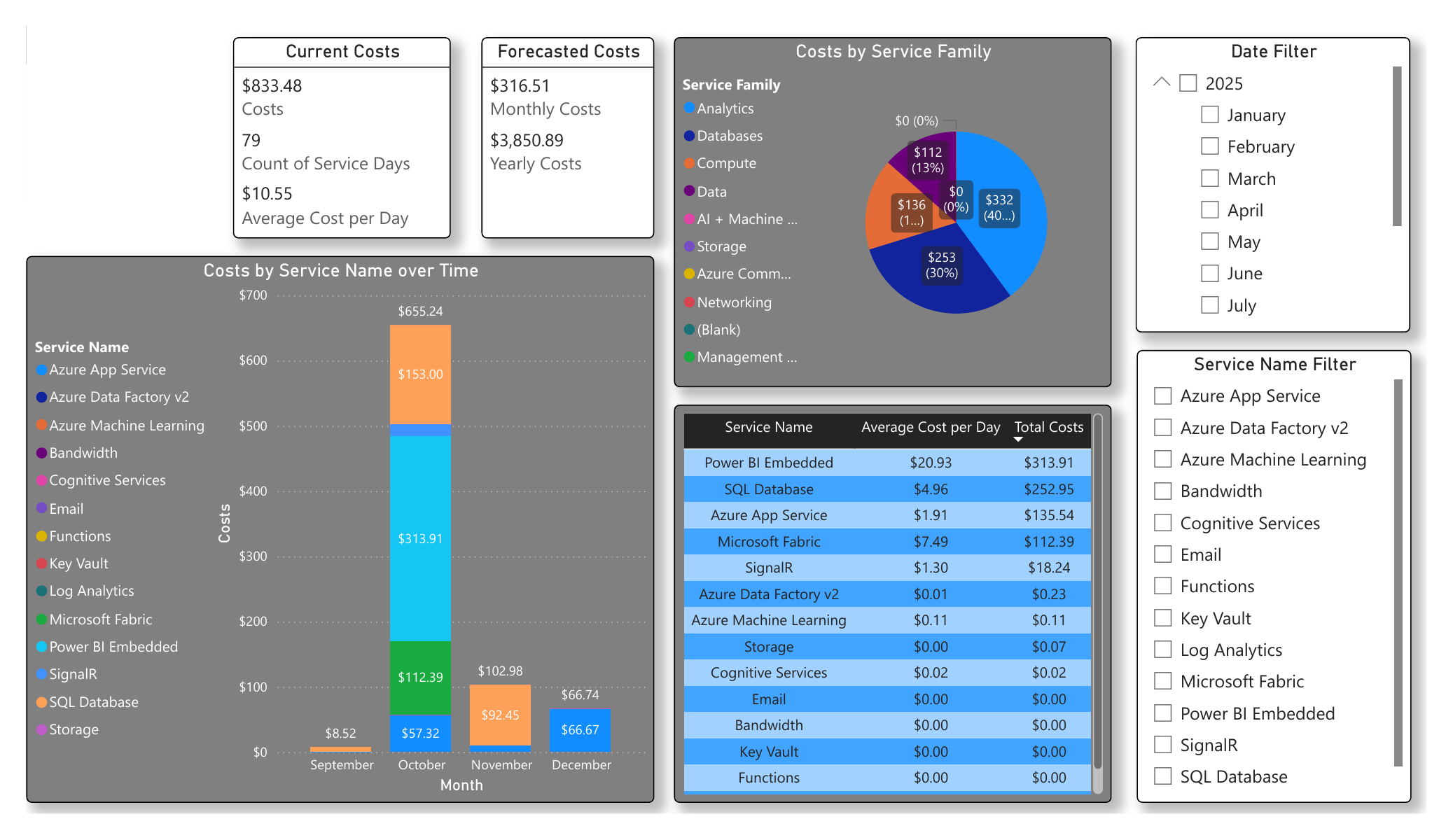
Cloud-cost visibility, allocation, trend reporting, and decision support that connects Azure consumption to business accountability.
Selected project portfolio
Explore public, sanitized, and representative examples spanning data engineering, decision applications, optimization, executive reporting, operations, logistics, and cloud-cost intelligence.
Public-sector analytics
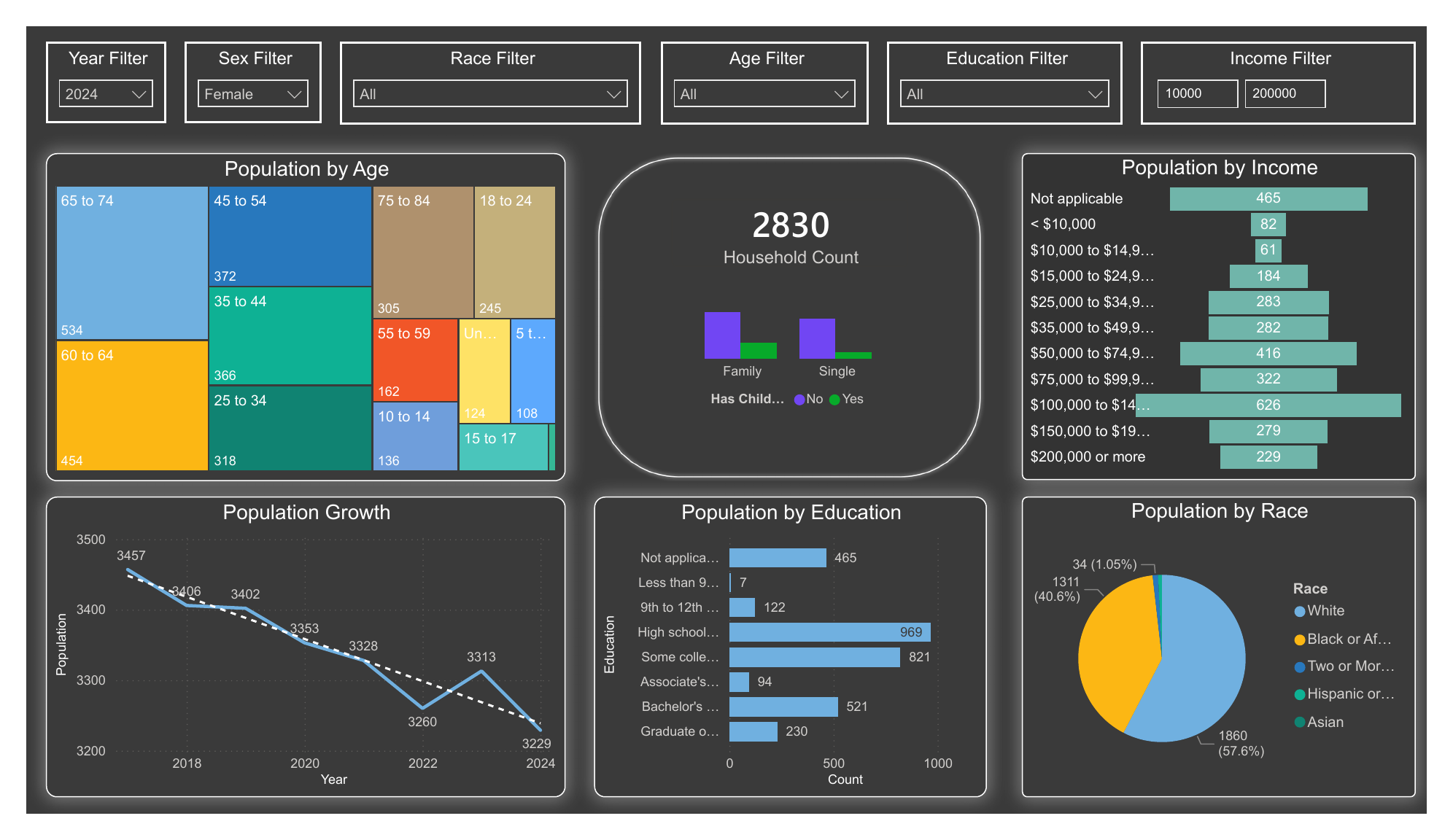
A seven-page Power BI solution connecting population, income, education, elections, tax rates, and parcel-level property data for county and neighborhood insight.
01 / 12

A connected analytics stack
Dashboards are only as trustworthy as the systems beneath them. We align data capture, transformation, modeling, analysis, and presentation so that metrics remain explainable from source to decision.
Our working sequence
Define the decision, audience, constraints, and evidence required.
Identify the sources, quality issues, ownership, and governing definitions.
Create the transformations, semantic layer, and analytical method.
Deliver the reporting or workflow, validate it, and enable ongoing use.
A useful place to begin
Bring us the reporting bottleneck, unreliable KPI, recurring analysis, or operational question your team cannot resolve efficiently.
Start the conversation